

Bullying: Invisible Scars
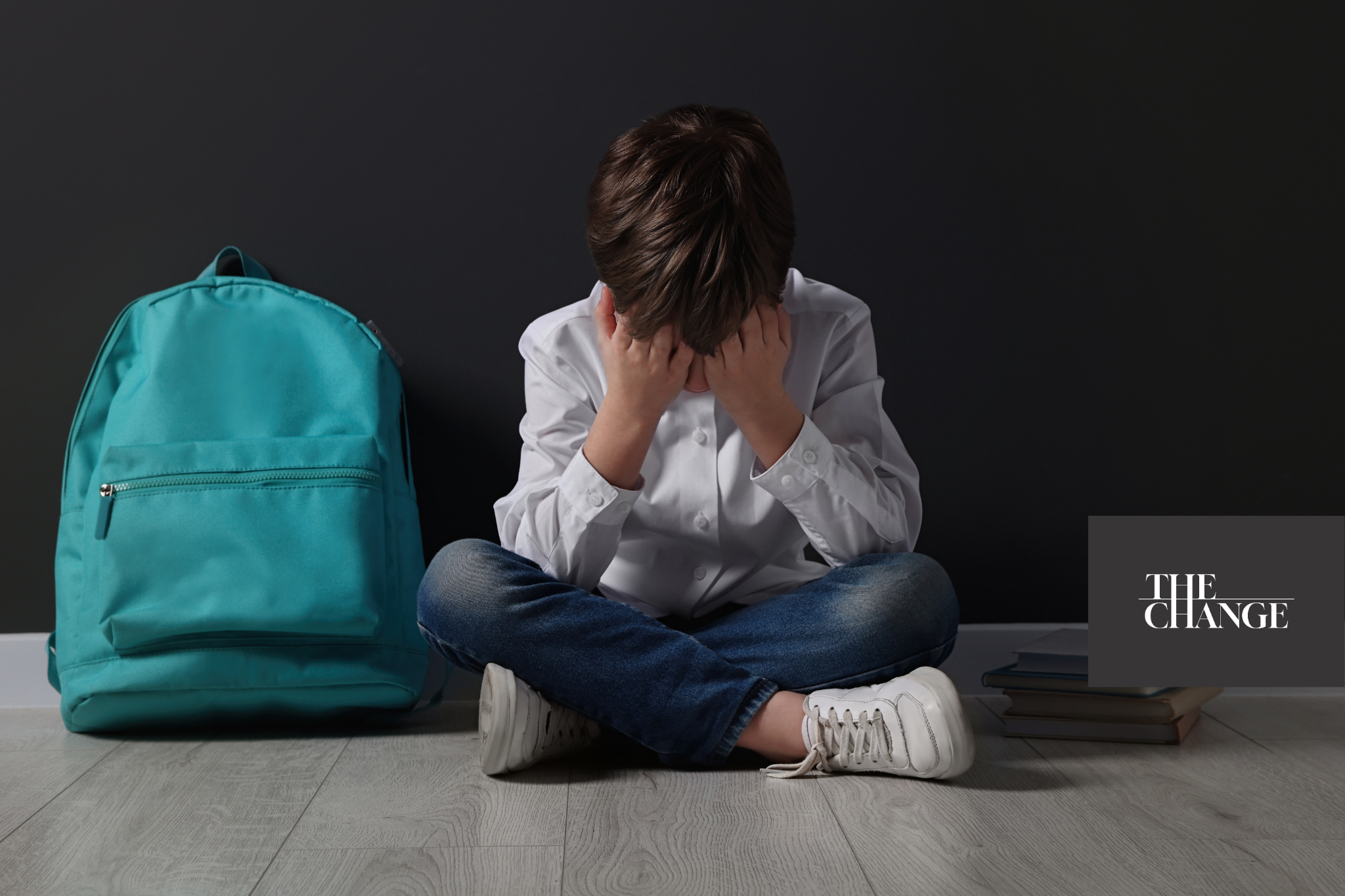
In a world where we should all feel safe, support each other, and accept our differences, there exists a harsh and painful reality that envelops many of us: bullying. This is not just a form of physical or verbal abuse, but a dark shadow that falls over souls, leaving deep, invisible scars to the naked eye, but painful for those who face them.
In the face of this phenomenon, the victims of bullying live a silent suffering, hidden behind smiles and long silences. Each word, each malicious joke, each disdainful gesture is like a blow to their self-esteem, a step closer to isolation and helplessness.
An ignored yet omnipresent problem: Bullying is a phenomenon that does not discriminate, affecting both children and adults, in schools, at work, on social media, even among groups of friends. It is so widespread that sometimes we don’t even realize we are witnessing a form of emotional abuse. We may see a colleague humiliated in front of the class or a friend constantly ridiculed, but we don’t intervene. Why? Because of fear, indifference, perhaps from a lack of awareness of the devastating impact bullying can have on a person. But for the victims, it’s not just a passing moment of humiliation. For them, every day becomes a struggle to maintain their dignity and courage.
In the Heart of the Victim: An Ocean of Suffering
It is hard, perhaps impossible, for those who have never been victims of bullying to fully understand how deeply hurtful cruel words and actions can be. Imagine a little girl who, every day at school, is ridiculed for her appearance. Each look of contempt, each mocking laugh digs into her self-confidence, leaving her feeling insignificant and humiliated.
In such cases, the pain becomes a silent song, present in every moment. The victims not only live in fear of going to school but also with the feeling that they are not good enough, that they do not deserve love and respect. Once this feeling settles in, it becomes a true barrier to their emotional development, affecting their relationships, careers, and entire lives.
What is most painful about bullying is that its effects do not disappear once the aggressions stop. Often, victims carry those emotional wounds with them for years, if not for a lifetime. Low self-esteem, distrust in others, fear of asserting themselves—these are just some of the consequences of abuse.
For some, that period of humiliation becomes a defining part of their identity. Even when they manage to overcome physical or verbal aggression, the psychological trauma remains, manifesting as insecurity, fear of failure, and social isolation.
It is a sad but extremely important reality: what bullying destroys are not just the present moments, but the entire capacity of a person to develop harmoniously and live a life full of happiness.
How Can We Stop Bullying?
In the face of such a devastating problem, it may seem difficult to find solutions, but like any form of abuse, bullying can be fought through education, empathy, and collective action.
The first step, without a doubt, is awareness. It is important to educate ourselves and those around us about the real effects of bullying. This must start at the youngest ages, within families and schools. Children need to be taught to recognize the signs of bullying but also to understand how deeply their actions can hurt. We must instill the value of empathy, helping them imagine how they would feel in the victim's place.
Equally important is the role of adults. Teachers, parents, and peers need to be attentive and intervene when they observe signs of abuse. Silence or ignoring these signs only perpetuates suffering. We must build an environment in which bullying is not tolerated in any form and where victims are supported.
Another aspect is offering psychological support to those affected by bullying. It is not enough to stop physical or verbal aggression; we must help victims rebuild their self-esteem and restore their social relationships.
Finally, let us always remember that the scars left by bullying are invisible, but they exist, and it is up to us as a society not to let these scars overtake the souls of the victims.
Article written by Andreea Stoenescu, winner of the "Cultural, Creativ, Incluziv 6'' contest.